From Paris to India: The Global Flavors of Fine Chocolate
Introduction
Chocolate, one of the most beloved treats across the world, has a rich and complex history that spans continents and cultures. From the luxury of Parisian chocolatiers to the exotic flavors of India, chocolate has taken on diverse forms, each representing the unique tastes and traditions of its region. Whether you’re savoring a rich French truffle or an Indian spiced chocolate, every bite offers a window into a different world of flavors, craftsmanship, and cultural influence.
In this blog, we’ll explore the global journey of fine chocolate, from its roots in ancient Mesoamerica to its present-day expressions in Paris, India, and beyond. We’ll dive into the regional variations in chocolate-making, examining how different countries put their own spin on this beloved treat. By the end of this post, you’ll have a deeper appreciation for the diverse world of fine chocolate and maybe even discover some new favorites along the way.
The Origins of Chocolate: A Brief History
Before diving into the specific flavors of chocolate from around the world, it’s important to understand where it all began. The history of chocolate traces back to ancient Mesoamerica, where the cacao tree (Theobroma cacao) was first cultivated by the Olmecs, Maya, and Aztecs. These early civilizations enjoyed chocolate in the form of a bitter beverage flavored with chili, vanilla, and other spices, quite different from the sweetened treats we enjoy today.
When chocolate made its way to Europe in the 16th century through the Spanish conquistadors, it was initially consumed as a drink, often sweetened with sugar and flavored with European spices. Over time, chocolate evolved into the solid form we recognize today, thanks to the innovations of European chocolatiers.
Chocolate traveled far and wide, evolving with each country’s culture and taste preferences. From Paris to India, each region added its unique twist, influencing the global flavor palette of fine chocolate.
The French Approach to Chocolate: Elegance and Craftsmanship
France is renowned for its culinary sophistication, and its approach to chocolate is no different. Parisian chocolatiers are known for their commitment to high-quality ingredients, delicate textures, and intricate techniques. French chocolate is often characterized by its smooth, velvety texture and refined taste.
In Paris, the emphasis is on purity and craftsmanship. Fine chocolate here tends to focus on the natural flavors of the cocoa beans, often with minimal added ingredients. The French are experts at creating ganaches, truffles, and pralines—each a work of art. Parisian chocolatiers like Pierre Marcolini and Jean-Paul Hévin have made a name for themselves by sourcing the finest cocoa beans from around the world and blending them into chocolates that balance flavor with texture.
One of the hallmarks of French chocolate is the use of single-origin cocoa beans. These beans, sourced from specific regions known for their unique flavor profiles, allow chocolatiers to highlight the subtle notes of fruit, spice, and earth that make each origin distinct. For instance, a bar of chocolate made from cacao beans from Venezuela may have hints of dried fruit, while beans from Madagascar may have a tangy citrus flavor.
Swiss Chocolate: Precision and Perfection
Switzerland is often considered one of the world’s chocolate capitals, and for good reason. Swiss chocolatiers are known for their dedication to creating the perfect chocolate bar. The Swiss are credited with inventing milk chocolate in the late 19th century, thanks to the innovation of chocolatiers like Daniel Peter and Henri Nestlé, who figured out how to blend cocoa with milk powder to create a creamier, sweeter chocolate.
Swiss chocolate is often characterized by its smooth texture and creamy mouthfeel, achieved through a meticulous process of conching—a technique that involves grinding the chocolate for hours to create a fine, uniform texture. Swiss chocolate makers also focus heavily on the balance of ingredients, ensuring that each bar has the perfect ratio of cocoa, milk, and sugar.
Swiss brands like Lindt and Toblerone have become synonymous with high-quality chocolate, with their products being enjoyed worldwide. The Swiss approach to chocolate is all about precision, consistency, and craftsmanship, ensuring that every bite is as close to perfection as possible.
Belgium: The Art of Chocolate Making
Belgium is another European country that is synonymous with fine chocolate. Belgian chocolate is known for its rich, intense flavor and its commitment to using high-quality cocoa beans. The country has a long history of chocolate-making, dating back to the 17th century, when the first chocolate house opened in Brussels.
Belgian chocolate is particularly famous for its pralines—chocolate shells filled with various fillings like ganache, nuts, and liqueurs. Belgian chocolatiers like Godiva, Neuhaus, and Léonidas have elevated praline-making to an art form, creating delicate, flavorful confections that are both beautiful and indulgent.
Belgium also has a reputation for innovation in chocolate. For example, Belgian chocolate makers are pioneers in creating chocolate-covered fruits and chocolate with unique flavor combinations. The country is also known for its artisan chocolate makers, who experiment with single-origin chocolate and unusual ingredients like sea salt, herbs, and spices.
Italy’s Chocolate Legacy: Tradition Meets Innovation
Italy is renowned for its culinary traditions, and chocolate is no exception. Italian chocolate-making blends tradition with innovation, with the country’s chocolatiers producing everything from rich, velvety bars to complex confections. Italy’s most famous chocolate is perhaps gianduja, a sweet chocolate-hazelnut paste that originated in the Piedmont region.
Gianduja is a unique Italian creation, born out of necessity during a cocoa shortage in the 19th century. By blending hazelnuts with dark chocolate, the Italians created a rich, nutty treat that has become a staple in Italian chocolate culture. Today, you can find gianduja in various forms, from chocolate bars to pralines.
Italy is also home to several artisanal chocolate makers who focus on high-quality, small-batch production. The country’s chocolatiers often experiment with new flavors, such as incorporating Italian coffee, citrus, and even balsamic vinegar into their chocolate creations. The result is a bold, flavorful chocolate that is distinctly Italian.
India’s Unique Chocolate Flavors: A Fusion of Spices and Cocoa
In recent years, India has emerged as an exciting player in the world of fine chocolate. Traditionally known for its rich culinary heritage, India has begun incorporating its unique flavors and spices into the world of chocolate, creating a fusion of East and West that appeals to adventurous chocolate lovers.
Indian chocolates often combine the rich, intense flavors of high-quality cocoa with spices like cardamom, saffron, chili, and cinnamon. These spices add a distinct warmth and complexity to the chocolate, creating a sensory experience that is both familiar and exotic. Indian chocolates also often feature ingredients like coconut, jaggery (a type of unrefined sugar), and cashews, giving them a unique texture and flavor profile.
Brands like Amul and Saffron & Co. have been at the forefront of India’s chocolate revolution, experimenting with local ingredients and traditional Indian flavors to create chocolates that celebrate the country’s diverse culinary heritage. These chocolates are perfect for those looking to explore new, bold flavors in their chocolate experience.
The Influence of Sustainability and Single-Origin Chocolates
In recent years, there has been a growing movement toward sustainability and ethical sourcing in the world of fine chocolate. Many chocolatiers, from Paris to India, are focusing on sourcing cocoa beans from sustainable farms, ensuring fair wages for farmers and minimizing environmental impact.
Single-origin chocolates, made from cocoa beans sourced from a specific region or farm, have gained popularity due to their unique flavor profiles. These chocolates allow consumers to taste the subtle differences between beans from different regions, much like wine or coffee tasting. Single-origin chocolate also highlights the work of small-scale farmers and supports the movement toward sustainable cocoa production.
Exploring the Role of Chocolate in Cultural Traditions
Chocolate is more than just a treat—it is often deeply embedded in cultural traditions. In countries like Mexico, for example, chocolate has long been an essential part of ceremonial rituals. The ancient Maya and Aztecs used cacao beans as currency and in religious offerings, and chocolate drinks were consumed during important ceremonies.
In France and Belgium, chocolate is a luxury gift, often exchanged during holidays or special occasions. In Italy, chocolate plays a key role in traditional sweets like tiramisu and the aforementioned gianduja. In India, chocolate is increasingly becoming a part of festivals and celebrations, merging with the country’s diverse culinary practices.
Conclusion: Explore Flaneur for a Taste of Premium Chocolate
The world of fine chocolate is vast, and from Paris to India, each region offers its own unique take on this beloved treat. Whether you’re indulging in the silky ganaches of France, the rich pralines of Belgium, or the exotic spice-infused chocolates of India, there’s always something new to discover.
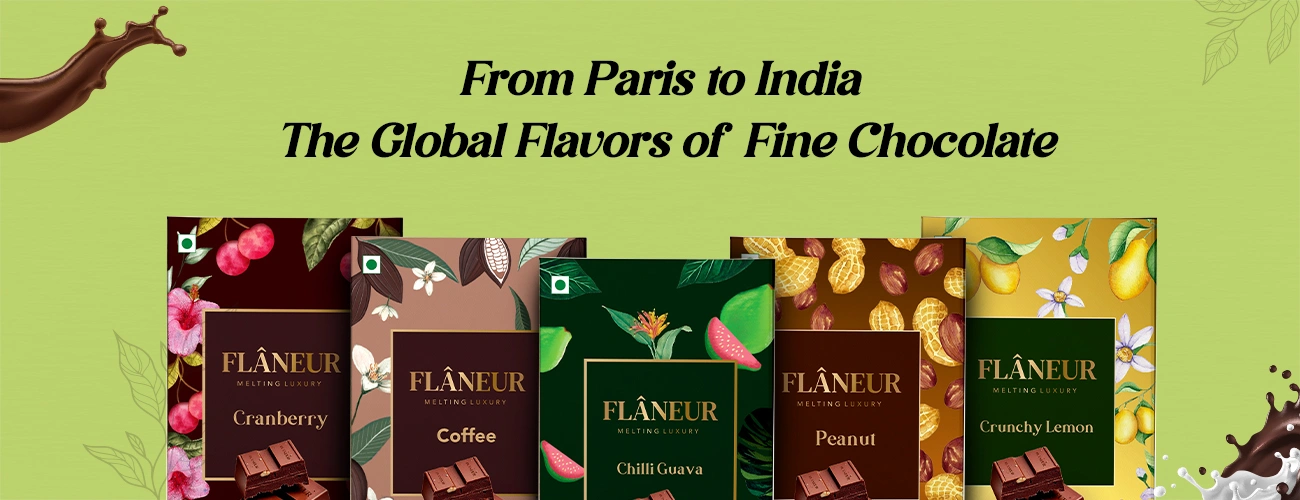
If you’re looking to taste some of the finest chocolate from around the world, Flaneur offers a curated selection of premium chocolates that embody the essence of craftsmanship and global flavor. Explore Flaneur’s offerings and treat yourself to a world of delicious chocolate experiences that span continents and cultures.
Embrace the diversity of chocolate and elevate your indulgence with a taste of excellence from Flaneur—because every great chocolate story begins with a great bite.